
Understanding ChatGPT for Marketing
ChatGPT is a tool. Think of it like a super-smart assistant. It has read a lot of text. It can help you with many writing tasks. For marketing, this means it can help with ideas. It can also help with words. It can even help you think about your customers.
It’s not magic. You need to tell it what you want. That’s where prompts come in. A prompt is like a set of instructions. The better your instructions, the better the result. Bad prompts give you weak answers. Good prompts give you helpful ideas.
Why Good Prompts Matter
Good prompts are clear. They are specific. They tell ChatGPT the role you want it to play. They also tell it the task you want done. And they mention any special needs. Like tone or audience.
Imagine asking for “marketing ideas.” That’s too broad. ChatGPT might give you anything. But if you ask for “ideas for a social media campaign targeting young adults for a new eco-friendly water bottle,” that’s much better. You get focused ideas.
How ChatGPT Learns and Responds
ChatGPT works by predicting words. It looks at the words in your prompt. Then it guesses the best words to follow. It does this many times. This creates a whole response. It’s like finishing a sentence. But on a much bigger scale.
It doesn’t “understand” in a human way. It sees patterns. It connects concepts from its training data. So, it can sound very knowledgeable. But it’s still a machine. Your prompt guides its pattern matching.
My Own Journey with ChatGPT for Marketing
I remember the first time I tried using AI for my marketing work. I felt a mix of excitement and skepticism. I was launching a new service. I needed fresh blog post ideas. I typed something vague into a popular AI tool. The results were generic. They felt like things I’d read a hundred times. I felt a bit let down.
Then, I read about prompt engineering. It sounded like a lot of work. But I was determined. I started experimenting. I asked the AI to act like a “senior marketing strategist.” I told it the target audience was “small business owners struggling with online visibility.” I specified the output should be “three actionable blog post titles and a brief outline for each.”
The difference was night and day. The ideas were specific. They addressed real pain points. One title was “5 Low-Cost Ways to Get Your Local Business Noticed Online.” It even suggested an outline. This saved me hours of brainstorming. It showed me the power of clear instructions. That experience changed how I approach AI. It became a true partner, not just a novelty.
Crafting Your First Marketing Prompts
Let’s get practical. You need to start somewhere. Think about what you need help with. Is it brainstorming? Writing? Planning?
Brainstorming Campaign Ideas
When you need new ideas, be specific.
Brainstorming Prompt Examples
Prompt: Act as a creative marketing director. Brainstorm five unique campaign ideas for a sustainable fashion brand launching a new line of recycled swimwear. Target environmentally conscious millennials.
Focus on social media engagement and influencer partnerships.
Prompt: I need ideas for a local bakery’s anniversary sale. The goal is to drive foot traffic. Suggest three promotions or events that would appeal to families in the neighborhood.
Consider a limited budget.
Prompt: Generate marketing campaign themes for a new online course about digital photography. The audience is beginners. The key selling point is simplicity and quick results.
Focus on digital channels like email and Instagram.
Writing Website Copy
Your website is your digital storefront. The words matter.
Website Copy Prompt Examples
Prompt: Write a compelling homepage headline and sub-headline for a software company that provides project management tools for remote teams. Highlight ease of use and increased productivity. Keep it under 20 words total.
Prompt: Draft an ‘About Us’ section for a small artisanal coffee roaster. Emphasize their passion for quality beans, ethical sourcing, and community connection. Use a warm and friendly tone.
Aim for about 150 words.
Prompt: Create a product description for a handmade ceramic mug. Focus on its unique design, durable quality, and perfect size for morning coffee. Mention it’s dishwasher safe.
Use evocative language.
Generating Social Media Content
Social media needs constant new posts. AI can help with volume.
Social Media Prompt Examples
Prompt: Write three engaging Instagram captions for a post featuring a new workout fitness class. Include relevant hashtags and a call to action to book a spot. Use an energetic and motivating tone.
Prompt: Generate a series of five LinkedIn posts for a B2B consulting firm. Each post should offer a quick tip on improving business efficiency. Vary the format, including questions and statistics.
Maintain a professional tone.
Prompt: Create a script for a 30-second TikTok video promoting a summer sale on outdoor furniture. Make it fun, fast-paced, and visually descriptive. Include a clear offer.
Advanced Prompting Techniques for Marketing
Once you’re comfortable with basic prompts, you can get more sophisticated. This is where you start to see real power.
Defining Roles and Personas
Telling ChatGPT who to be makes a big difference.
Role-Playing Prompts
Prompt: You are a seasoned email marketing specialist with a track record of high open rates. Draft a welcome email sequence for new subscribers to an e-commerce site selling handmade jewelry. The goal is to build trust and encourage the first purchase.
Prompt: Imagine you are a viral marketing guru. Suggest three out-of-the-box strategies to generate buzz for a new indie video game release. Focus on unconventional tactics that can spread quickly online.
Prompt: Act as a customer journey mapping expert. Outline the typical touchpoints for a customer buying a new smartphone online, from initial research to post-purchase support. Identify potential pain points at each stage.
Specifying Tone and Style
The way you say things is as important as what you say.
Tone and Style Prompts
Prompt: Write a blog post introduction about the benefits of mindfulness in the workplace. Use a calm, reassuring, and slightly educational tone. Keep sentences short and easy to read.
Prompt: Generate marketing ad copy for a new energy drink. The tone should be bold, exciting, and aspirational. Focus on performance and overcoming challenges.
Use strong action verbs.
Prompt: Create a social media update for a pet adoption agency. The tone should be heartwarming, hopeful, and encouraging. Include a photo description of a sweet dog looking for a home.
Providing Context and Constraints
Giving ChatGPT details helps it tailor the output.
Contextual Prompts
Prompt: I’m running a Facebook ad campaign for a local plumber. The target audience is homeowners aged 35-65 in the Phoenix, Arizona area who are likely to have plumbing issues. The offer is 10% off first-time service.
Write three ad variations focusing on trust and reliability. Keep each ad under 75 words.
Prompt: Draft an email newsletter for a gardening subscription box. The subscribers have varying levels of gardening experience. The focus this month is on growing herbs indoors.
Include tips for beginners and more advanced gardeners. Mention this month’s box contents.
Prompt: Create content for a landing page selling premium dog food. The unique selling proposition is that it’s made with all-natural, human-grade ingredients. The audience consists of health-conscious pet owners.
The desired outcome is a sign-up for a free sample.
Prompting for Specific Marketing Channels
Each marketing channel has its own needs. Tailor your prompts.
Email Marketing
Emails need to be personal and persuasive.
Email Marketing Prompts
Prompt: Write a subject line and preheader text for an email announcing a flash sale on summer apparel. Create a sense of urgency. Aim for high open rates.
Prompt: Draft a follow-up email for customers who abandoned their shopping carts. Remind them of the items they left behind and offer a small discount to encourage completion. Use a helpful, non-pushy tone.
Prompt: Generate ideas for a monthly email newsletter for a photography magazine. Focus on educational content, gear reviews, and inspiring photography showcases.
Content Marketing (Blogs, Articles)
Longer content needs structure and depth.
Content Marketing Prompts
Prompt: Generate an outline for a blog post titled “The Ultimate Guide to Starting a Podcast.” Include sections on equipment, planning, recording, editing, and promotion. Target aspiring podcasters.
Prompt: Write an engaging introduction for an article about the history of artificial intelligence. Make it accessible to a general audience. Hook the reader with a compelling question or fact.
Prompt: Develop a list of keywords and related topics for an SEO content strategy focused on “organic skincare.” Ensure the keywords are relevant and have search volume.
Search Engine Optimization (SEO)
SEO is all about keywords and user intent.
SEO Prompts
Prompt: Suggest meta titles and descriptions for a webpage selling custom-made dog beds. Target keywords like “orthopedic dog beds,” “washable dog beds,” and “large dog beds.” Focus on click-through rates.
Prompt: Generate a list of LSI (Latent Semantic Indexing) keywords related to “healthy meal prep for busy professionals.” These terms should cover related concepts and user search queries.
Prompt: Write a short, informative paragraph for a “People Also Ask” section about “benefits of content marketing.” Address common user questions clearly and concisely.
Advertising (PPC, Social Ads)
Ads need to be punchy and persuasive.
Advertising Prompts
Prompt: Write three Google Ads headlines and two descriptions for a service offering window cleaning for homes. Highlight speed, affordability, and a satisfaction guarantee. Use keywords like “professional window cleaning” and “house window washing.”
Prompt: Create ad copy for a Facebook ad promoting a webinar on “Mastering Public Speaking.” Target professionals who want to improve their presentation skills. Focus on the benefits and what attendees will learn.
Prompt: Suggest variations for a retargeting ad for an e-commerce store selling athletic shoes. Remind users of items they viewed and offer a limited-time discount.
Analyzing and Refining Your Prompts
Don’t expect perfection on the first try. It’s a process.
Iterative Prompting
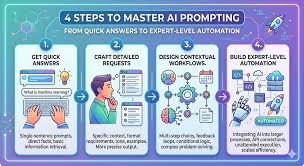
Think of it as a conversation. You say something. The AI responds. You then refine your next question based on its answer.
If the AI gives you something too generic, ask it to be more specific. If it’s too long, tell it to shorten it. If the tone is wrong, guide it to the correct tone.
Asking for Examples
Sometimes, the best way to get what you want is to show it. You can ask ChatGPT to provide examples.
For instance: “Give me three examples of social media posts for a coffee shop that sound friendly and inviting.”
Evaluating the Output
Always review what ChatGPT gives you. Does it sound natural? Is it accurate? Does it meet your goals?
I often copy-paste ChatGPT’s output into a document. Then I edit it. I tweak sentences. I add my own unique voice. This ensures it sounds authentic and truly mine. It’s about augmentation, not replacement.
Real-World Scenarios and Their Prompts
Let’s look at some common marketing situations.
Scenario: Launching a New Product
You have a new product. You need to tell people about it.
Product Launch Prompts
Prompt: Draft a press release announcing the launch of ‘GlowUp Serum,’ a new anti-aging skincare product. Highlight its key ingredients and benefits. Target beauty and lifestyle publications.
Prompt: Create a social media teaser campaign plan for a new tech gadget. Suggest a series of posts leading up to the launch date, building anticipation.
Prompt: Write an email to existing customers announcing the new product. Offer them an exclusive early bird discount.
Scenario: Running a Sale or Promotion
Sales are common. Making them stand out is key.
Sale Promotion Prompts
Prompt: Write compelling ad copy for a ‘Summer Savings’ sale on outdoor gear. Use vibrant language and highlight the deals. Focus on encouraging immediate purchase.
Prompt: Generate a series of SMS messages to announce a limited-time weekend sale for a clothing boutique. Keep them short and to the point.
Prompt: Draft a banner ad graphic concept for a ‘Back to School’ promotion. Describe the visuals and text to be included.
Scenario: Improving Customer Engagement
You want more interaction from your audience.
Engagement Prompts
Prompt: Create a list of 10 engaging questions to ask our audience on social media related to home gardening. The goal is to spark conversation.
Prompt: Design a concept for a social media contest or giveaway that encourages user-generated content for a coffee brand.
Prompt: Write a template for responding to common customer comments and questions on social media in a friendly and helpful way.
What This Means for Your Marketing Efforts
Using ChatGPT effectively means a few things for you.
Increased Efficiency
Tasks that used to take hours can now take minutes. Brainstorming, drafting copy, creating outlines – these become much faster. This frees you up for higher-level strategy.
Enhanced Creativity
Sometimes, you just need a spark. ChatGPT can offer ideas you might not have thought of. It can present concepts from different angles. This can lead to more innovative campaigns.
Better Content Quality
With clear prompts, you can generate well-structured, grammatically correct content. You can tailor it to specific audiences. This can improve the overall quality of your marketing materials.
Quick Fixes and Tips for Using Prompts
Here are some simple ways to get more from your prompts.
Be a Conversationalist
Don’t be afraid to chat with the AI. Ask follow-up questions. “Can you make that more concise?” or “Can you explain that further?”
Use Negative Constraints
Tell ChatGPT what not to do. “Do not use jargon.” or “Avoid overly technical language.” This helps steer it away from unwanted outputs.
Break Down Complex Tasks
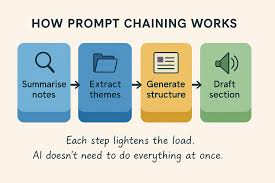
For big projects, don’t ask for everything at once. Break it down. Ask for an outline first. Then ask for specific sections. This leads to better results.
Frequent Questions About ChatGPT Marketing Prompts
What is the best way to start using ChatGPT for marketing?
The best way to start is by identifying a specific marketing task you find time-consuming or challenging. Then, craft a clear, detailed prompt asking ChatGPT to assist with that task. Begin with simple requests and gradually increase complexity.
Can ChatGPT write entire marketing campaigns for me?
ChatGPT can generate many components of a campaign, like ad copy, social posts, and email drafts. However, it cannot replace human strategy, nuanced understanding of your brand, or final creative judgment. It’s best used as a powerful assistant.
How do I ensure the content generated is original and not plagiarized?
ChatGPT generates unique responses based on its training data. While direct plagiarism is unlikely, the ideas might echo common themes. Always review and edit the output to add your unique voice and insights, ensuring it aligns with your brand.
What are some common mistakes to avoid when prompting ChatGPT for marketing?
Common mistakes include using vague prompts, not specifying the target audience or tone, asking for too much at once, and not iterating or refining prompts based on the AI’s responses. Lack of context is a major pitfall.
How can I use ChatGPT to analyze marketing data?
While ChatGPT cannot directly access your live data, you can input summarized data or descriptions of trends. Ask it to interpret patterns, suggest reasons for performance changes, or brainstorm strategies based on the information you provide.
What kind of marketing prompts yield the best results for social media?
Prompts that specify the platform (e.g., Instagram, LinkedIn), the goal (e.g., engagement, sales), the target audience, the desired tone, and include specific details about the product or service tend to perform best for social media content.
Conclusion
Learning to prompt effectively is a skill. It takes practice. But the rewards are huge. ChatGPT can become an invaluable part of your marketing toolkit. It can help you save time. It can boost your creativity. It can help you connect better with your audience. Start experimenting today. See what amazing things you can create.


Leave a Reply